

Making Video AI More Intuitive
Bringing Video-Based Model Training to Intel® Geti™
INTEL CORPORATION
•
LEAD DESIGNER
•
SYSTEM + ARCHITECT DESIGNER
Bringing Video-Based Model Training into Intel® Geti™
Intel® Geti™ enables teams to build custom computer vision models for real-world applications. I led design work for a video-based workflow that had remained in the backlog for eight years, translating the distinct requirements of video data into an experience that aligned with established image-training patterns. I also contributed to Intel’s emerging internal design system.

MY ROLE:
Lead DesignerDesign Sytem ContributorWorkshop Facilitator
TARGET USERS/INDUSTRIES:
• AI/ML engineers
• Novice users (variety)
• Manufacturing
• Retail
• Smart Cities
• Research
• Healthcare
• Smart Agriculture
DELIIVERABLES::
Usability TestsInformation ArchitectureUser FlowsJourney MapUser PersonasLow-Fidelity PrototypesHigh-Fidelity Prototypes
TOOLS:
FigmaFigjam
DURATION:
6 MONTHS
01
THE PROBLEM
When a Powerful Workflow Stays in the Backlog.
Computer vision enables teams to analyze visual data and automate inspection across a range of industries. But making these capabilities useful requires an interface that supports the people working with the technology.
The video workflow had remained in the backlog for eight years. Bringing it into Intel® Geti™ required more than adapting an existing interface: video introduces different data-management and review needs than still images. The challenge was to accommodate those differences while maintaining a familiar, cohesive model-training experience.
// The challenge wasn't to make video behave exactly like images. It was to make a new workflow feel like it belonged in the same product.
02
THE USERS
Different Expertise. A Shared Need for Clarity.
The product serves people with different levels of technical expertise. AI practitioners need an efficient path through model development; domain experts may need more context and guidance to work confidently with AI tools.
Personas helped establish a shared reference point for user goals, expectations, and design considerations.
PERSONA 01
AI/ML Engineer
EXPERIENCE
5+ years
TECH COMFORT
High
Develops and refines computer vision models. Needs efficient access to advanced tools and model insights without unnecessary steps interrupting the workflow.
PERSONA 02
Reserve Pilot
EXPERIENCE
Limited AI experience
TECH COMFORT
Low/Moderate
Brings industry expertise but limited experience developing AI models. Needs clear terminology and intuitive guidance to train computer vision models with confidence.
// "I understand the problem I want to solve. I just need a simpler way to teach the system what to look for." — Domain Expert
A. User Flows – Model Training and Video Review
Mapping the key user flows helped define how users move through model development, from preparing visual data to training and evaluating models. The flows clarified the sequence of actions and decisions needed to support video-based workflows while maintaining continuity with established image-training patterns.


A shared model-training structure, adapted to the distinct needs of video data.
03
THE PROCESS
Define the Journey Before Refining the Interface.
I used user research and workflow analysis to understand the experience before moving into detailed UI design. By connecting user needs, information architecture, and interaction patterns, I established a foundation for integrating video functionality into the existing product without losing the familiarity of image-training workflows.
B. Journey Mapping – Understanding the End-to-End Experience.
Journey mapping helped examine the model-development experience across its key stages, revealing where users needed clearer guidance, more consistent feedback, or better support for complex tasks. The exercise connected individual interactions to the broader workflow, helping identify opportunities to make video functionality feel like a natural extension of Intel® Geti™.

What users do, think, feel, and experience
// Mapping the user journey helped connect individual pain points to the broader workflow, highlighting opportunities to reduce friction and create a more cohesive model-training experience.
04
THE SOLUTION
Video AI, Shaped into a Cohesive Experience.
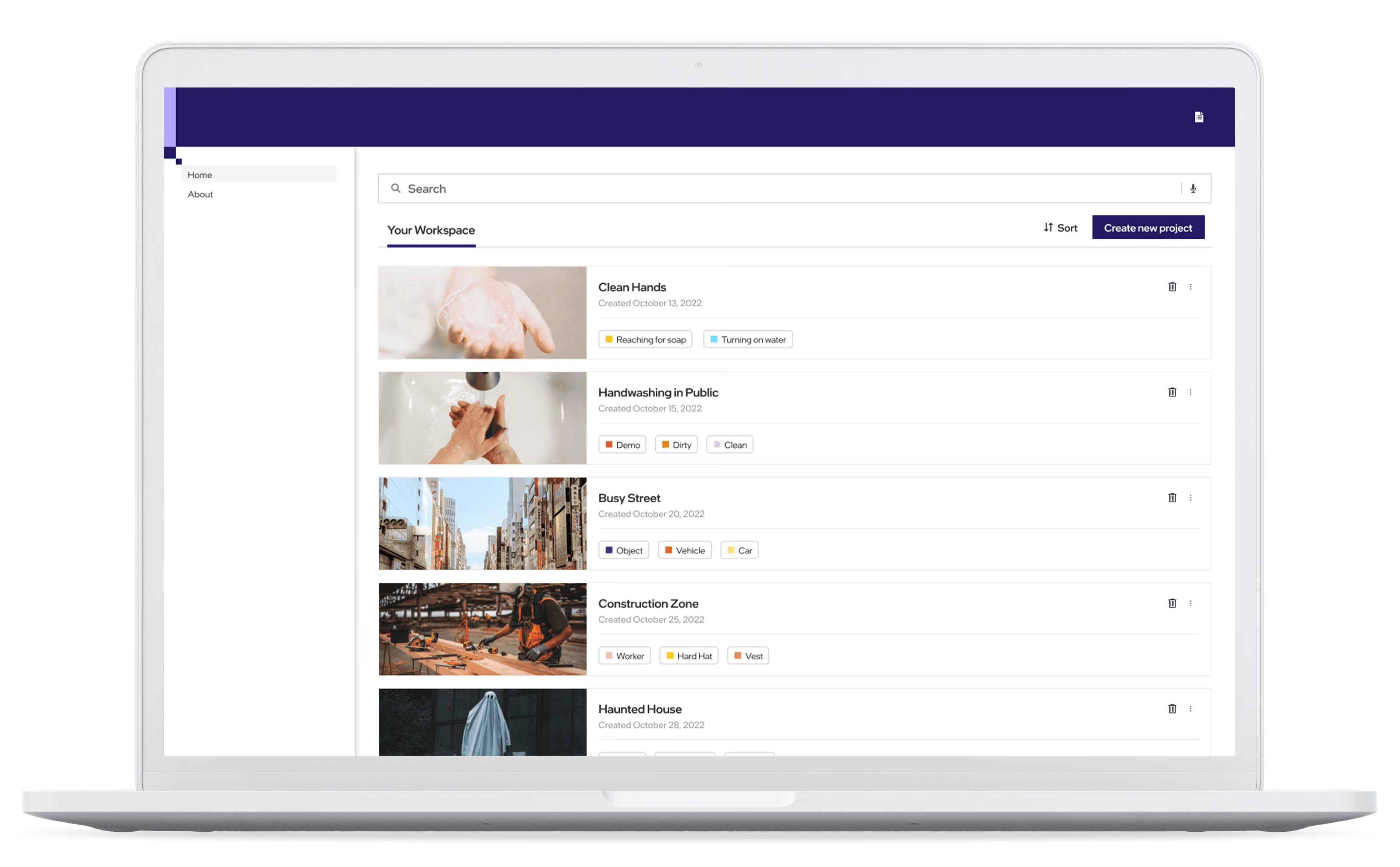
The design extended familiar image-training patterns to support the distinct requirements of video-based model development. Three areas shaped the work: video snippet management, probability plotting, and a dedicated light mode.
Each addressed a different part of the experience, from working with video data to interpreting model output and improving the visual environment. Together, these design decisions helped integrate the new workflow into the evolving Intel® Geti™ product experience.
2023
Intel® Geti™ launched in Spring 2023
HANDMADE / DIGITAL
DOWNLOAD PRODUCT
05
REFLECTION
+ RESULTS
Making Advanced Technology Work for the People Using It.
This project helped move a long-standing video workflow from backlog into the Intel® Geti™ product experience. The design work addressed the distinct needs of video-based model development while maintaining continuity with established image-training patterns.
The project also contributed to Intel’s emerging internal design system, connecting a specific product challenge to a broader effort toward consistency and reuse. The experience reinforced a central principle of AI product design: advanced capabilities are most useful when the interface makes their workflows understandable and manageable.
01 · PRODUCT
Moving a long-standing workflow forward
Video-based functionality progressed from an eight-year backlog into the evolving Intel® Geti™ experience.
02 · EXPERIENCE
Continuity without forcing uniformity
Familiar image-training patterns provided continuity while the design accounted for video-specific interactions.
03 · SYSTEMS
Consistency with room to grow
The work aligned new functionality with Intel’s emerging internal design system.
Designing AI products requires more than making complex capabilities accessible. It means understanding the work people need to accomplish, shaping interactions around that work, and creating consistent patterns that help the product evolve.
NOTEWORTHY PROJECT